Network Analysis
New talk: Socio-Epistemic …
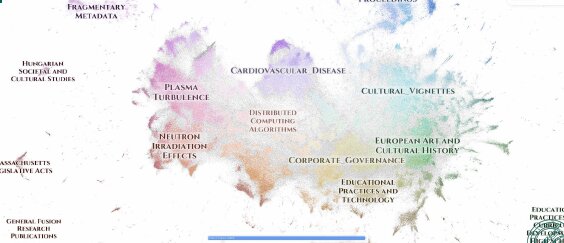
Fusion research has long been examined as a site where big science, Cold War politics, and international community-building intersect — from ITER back to its European precursors. Existing accounts of the cooperation between scientists, administrators, and policymakers in this field tend to stay …
New talk: Networks of …
How can digital-humanities-driven “big data” history be made more useful for collaborative historical research? Drawing on a research program on the history of the Max Planck Society, this talk looks at the structure and dynamics of knowledge networks, the challenges of big data history …
New paper: Temporalities …
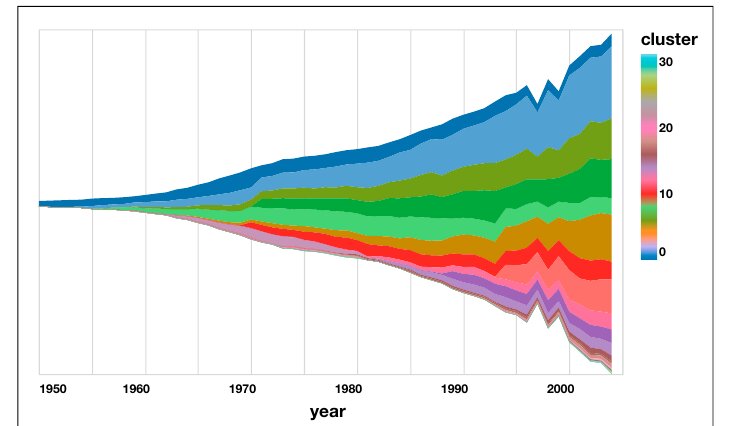
Scientific fields do not change at a single, uniform pace — some parts move quickly, others remain stable for decades. This paper applies the socio-epistemic networks framework, using time-dependent clustering of co-citation networks, to analyze the development of 20th-century scientific fields and …
New paper: Growing and …
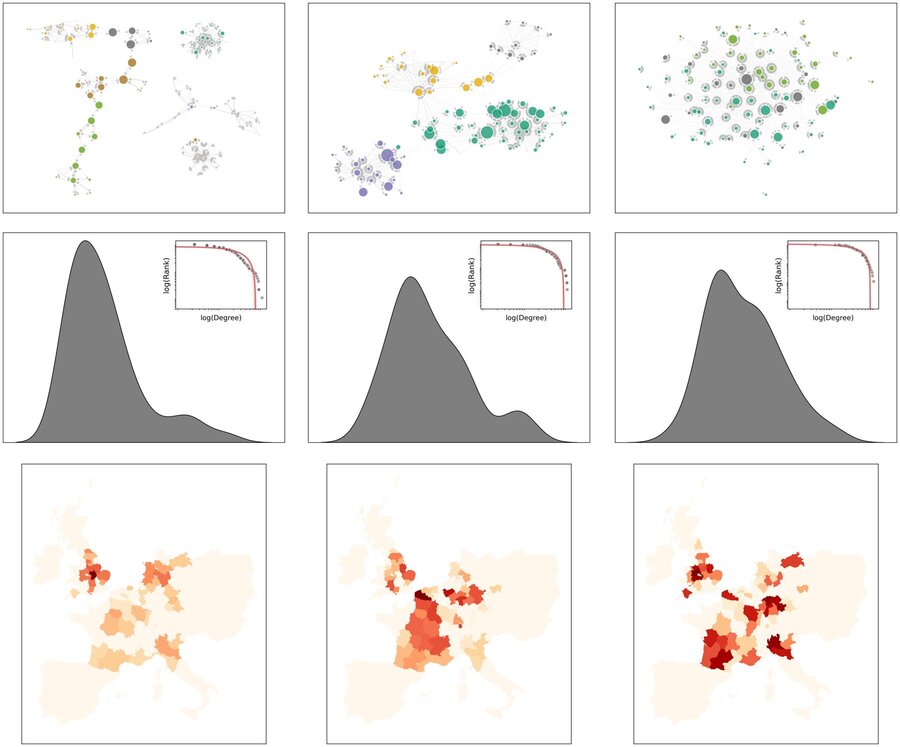
Digital archives are never complete, and that selection bias can quietly distort empirical studies built on them. This paper introduces an agent-based model that simulates both the sending of historical letters and their subsequent loss to archiving, allowing counterfactual correspondence networks …
New paper: Past, Present, …
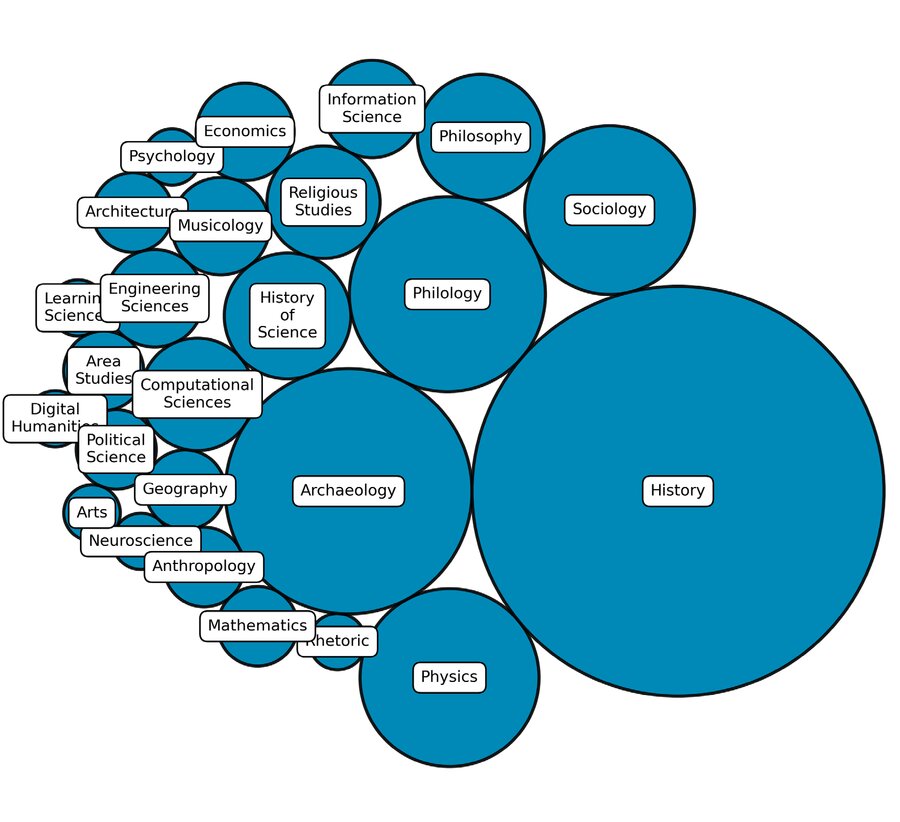
Historical network research (HNR) has always crossed disciplinary boundaries, but discussions of it tend to focus on epistemology rather than day-to-day practice. Based on an exploratory community survey, this paper looks at how scholars actually build, visualize, and analyze historical networks — …
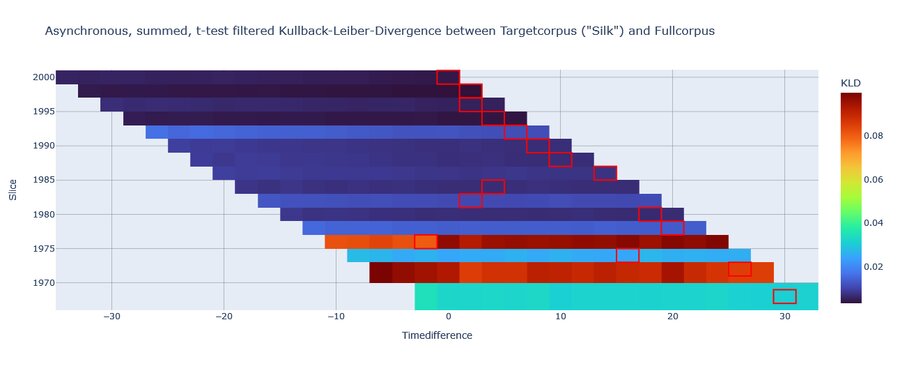
New preprint: …
Distinguishing gradual change from the emergence of genuinely new directions is a central challenge in tracking how research fields evolve. This preprint explores local versus global evolution of knowledge systems through the socio-epistemic networks (SEN) framework, pairing an information-theoretic …