Posts
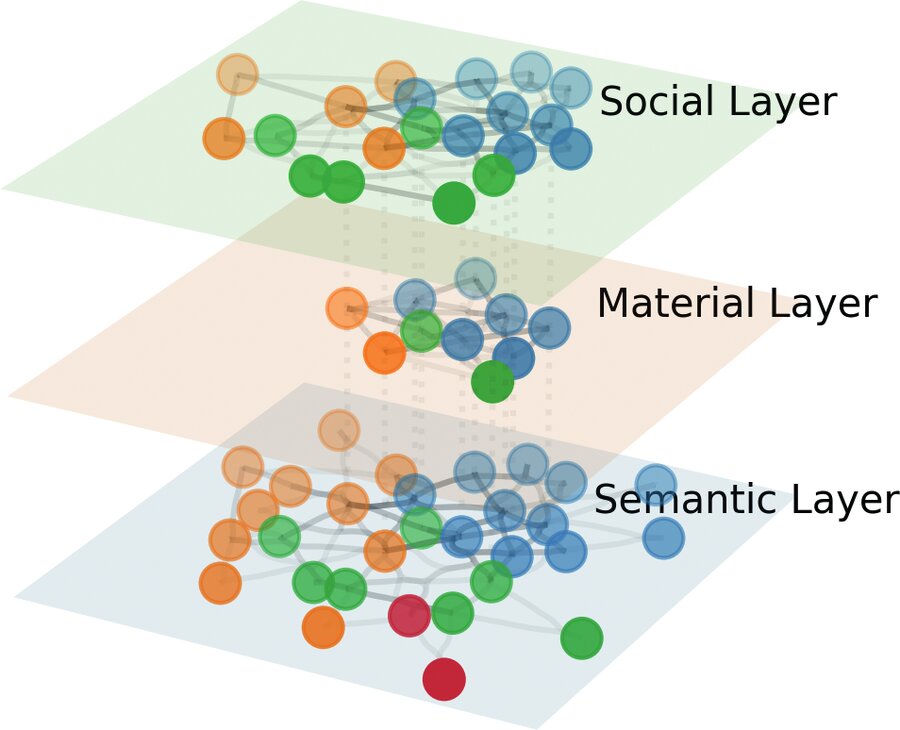
New chapter: …
Focusing on network analysis, co-citation networks, and topic modelling, this chapter introduces the socio-epistemic networks (SEN) framework for studying how historical knowledge systems form and change. Applied to two case studies — transnational scientific practices of Polish migrants and the …
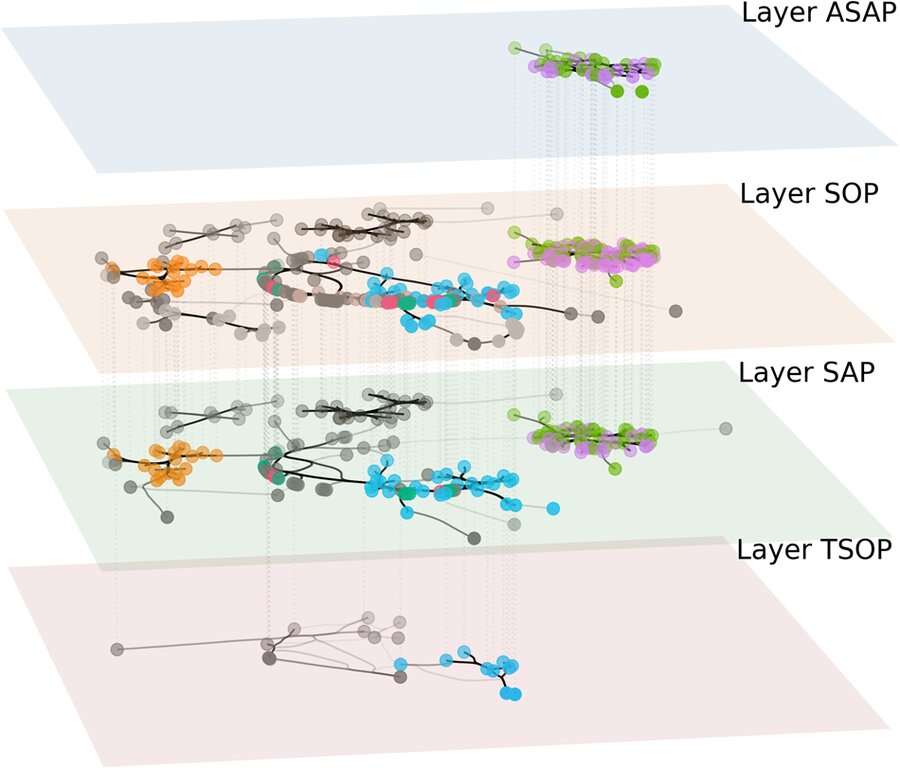
New paper: A Mathematical …
Rather than just describing how knowledge accumulated in the Sphaera corpus of early modern astronomy textbooks, this paper models it: connections between more than 350 textbook editions are arranged into a four-layer semantic network, and the resulting model aims to better understand — and …
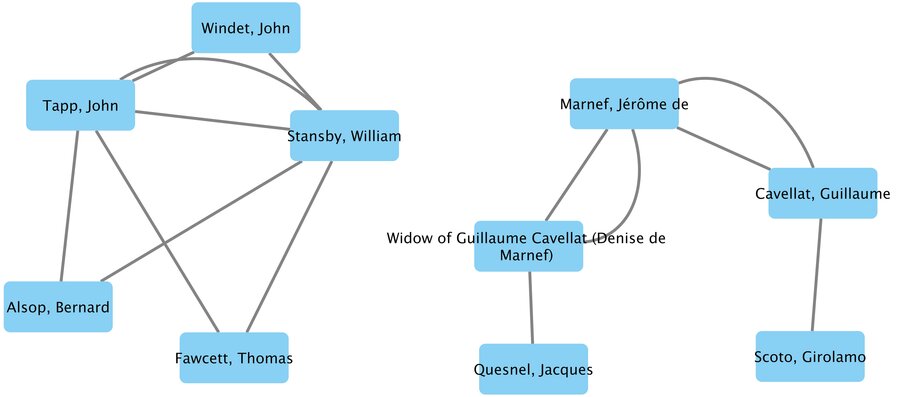
New paper: The Network of …
Printers and publishers were among the most decisive — and understudied — agents in how scientific knowledge changed in the early modern period. This paper describes a computational method for reconstructing clusters of social relationships among them, using standard bibliographic data and …
New white paper: ModelSEN …
Written up by fourteen participants of the April 2022 ModelSEN workshop, this white paper brings together perspectives on modeling historical knowledge processes — spanning network analysis, agent-based modeling, and the socio-epistemic networks framework — as a shared reference point for the …
New talk: Using …
Bibliometric resources like Dimensions are usually built for evaluating current researchers and institutions — using them for historical research raises a different set of questions. How complete is the dataset going back in time? Do modern research-area classifications even apply to older periods? …
New video: Die Expedition …
To mark 100 years of the Deutsche Forschungsgemeinschaft (DFG), a “Centre of Curiosity” combining questions, performance, and science was staged in Berlin’s Malzfabrik at the end of June 2020 — an experimental theatre format for public engagement with research, organized under …