Posts
New workshop: Publishing …
Version control gives researchers a complete history of every change to their code, letting them experiment freely without fear of losing a working version. This beginner-friendly, one-hour virtual workshop demystifies Git and GitHub for researchers who haven’t used them before: a brief …
New paper: Temporalities …
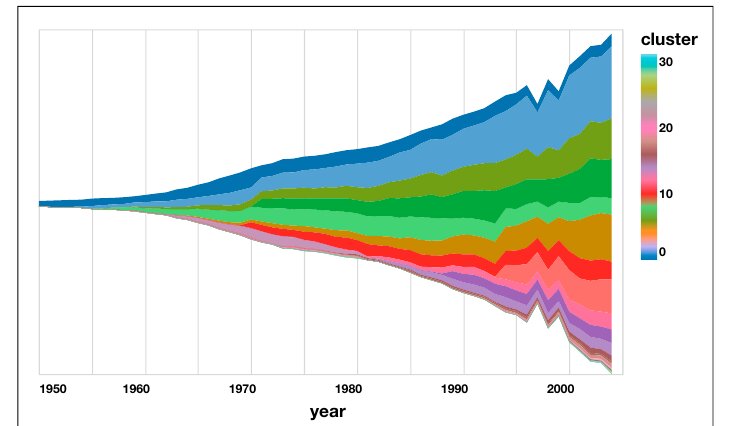
Scientific fields do not change at a single, uniform pace — some parts move quickly, others remain stable for decades. This paper applies the socio-epistemic networks framework, using time-dependent clustering of co-citation networks, to analyze the development of 20th-century scientific fields and …
New paper: Growing and …
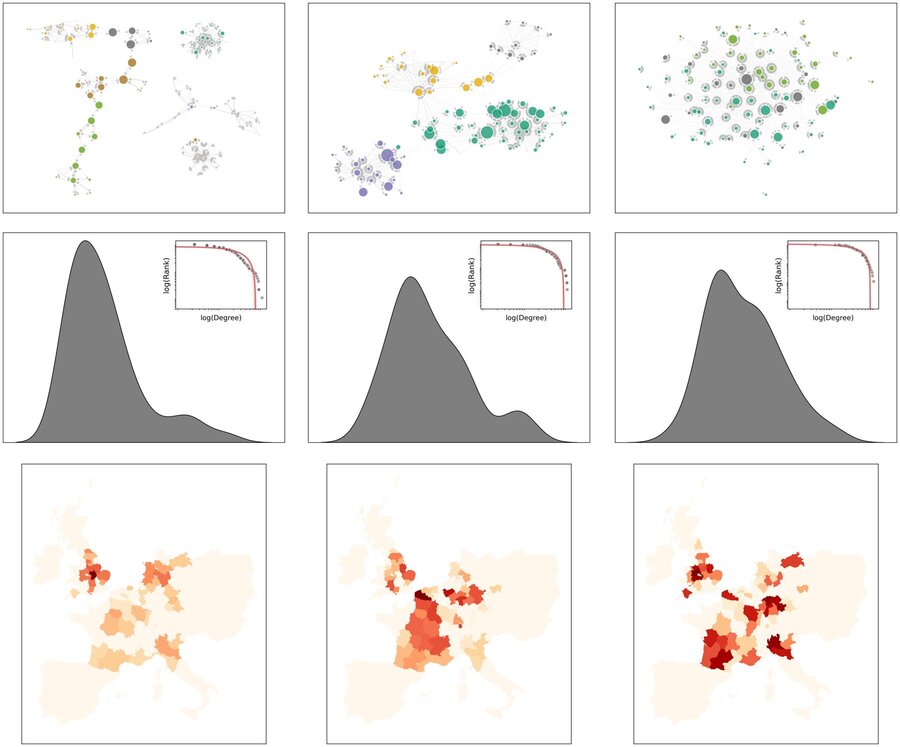
Digital archives are never complete, and that selection bias can quietly distort empirical studies built on them. This paper introduces an agent-based model that simulates both the sending of historical letters and their subsequent loss to archiving, allowing counterfactual correspondence networks …
New paper: Past, Present, …
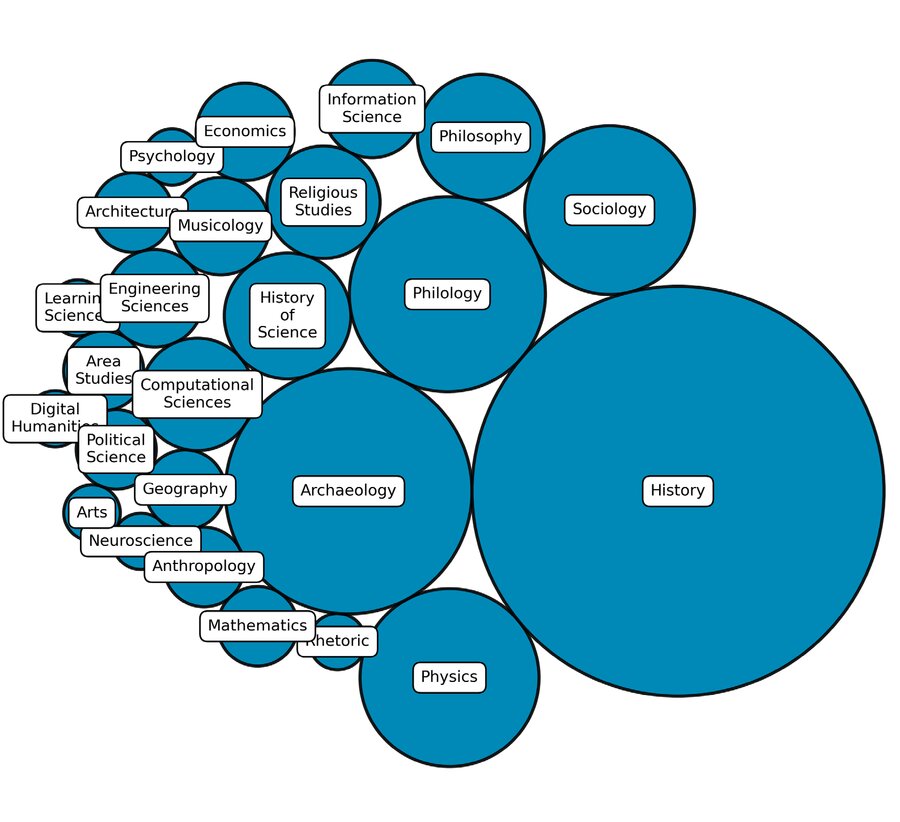
Historical network research (HNR) has always crossed disciplinary boundaries, but discussions of it tend to focus on epistemology rather than day-to-day practice. Based on an exploratory community survey, this paper looks at how scholars actually build, visualize, and analyze historical networks — …
New lesson: Simulating …
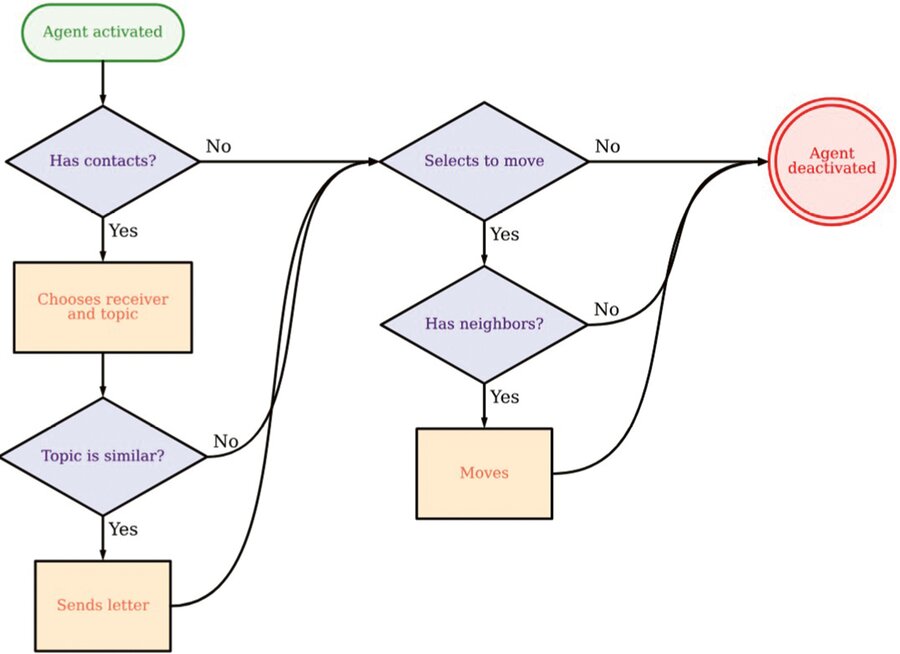
This Programming Historian lesson introduces agent-based modeling as a method for historical research, using the Python package mesa. Learners build a simulation of early modern letter-exchange networks — the Republic of Letters — starting from the basic concepts (what a simulation is; agents, …
New chapter: Why Would We …
Working with archival material always raises the question of what circumstances produced a given document or collection — and what is missing from it. This chapter makes the case for agent-based modeling and simulation as ways to uncover possible biases and structurally represent historical …